Comprehensive Paving Solutions for Your Landscape
- May 26
- 4 min read
When I consider the art of transforming outdoor spaces, paving emerges as a fundamental element - a canvas that shapes the flow, function, and aesthetic of a landscape. The right paving solution does more than just provide a surface to walk on; it defines pathways, frames gardens, and anchors architectural features. In this exploration, I delve into the diverse world of paving options, focusing on how thoughtful choices can elevate any landscape project.
Exploring Comprehensive Paving Solutions
Paving is a craft that balances durability with design. Whether the goal is to create a welcoming driveway, a serene patio, or a practical walkway, the materials and techniques chosen must align with the environment and intended use. Comprehensive paving solutions encompass a variety of materials - from natural stone to concrete, each offering unique textures, colours, and structural benefits.
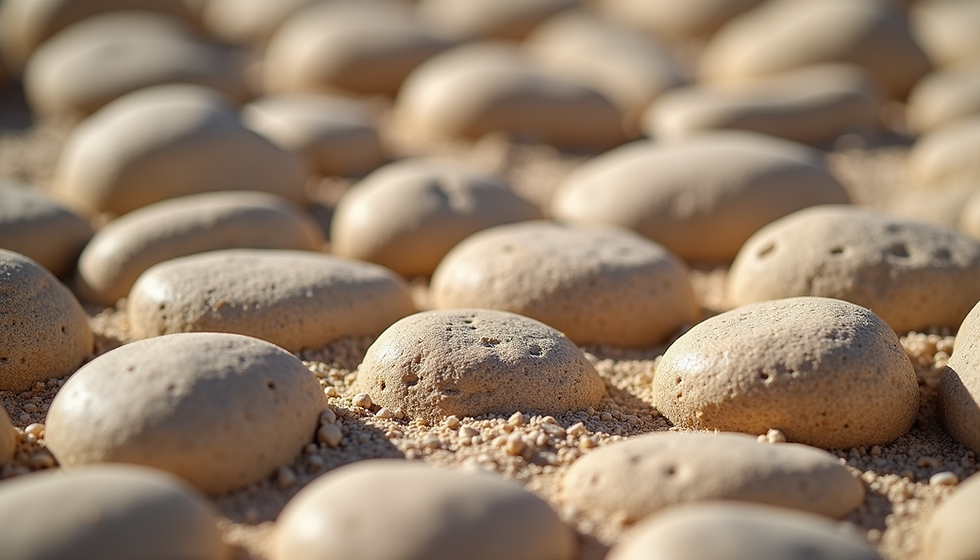
Natural stone, for instance, brings a timeless elegance and robust longevity. British and European stones, such as Yorkstone, sandstone, and limestone, are prized for their natural hues and weather-resistant qualities. These materials age gracefully, developing a patina that adds character over time. For projects demanding sustainability, sourcing stone locally reduces environmental impact and supports regional economies.
Concrete paving, on the other hand, offers versatility and cost-effectiveness. Modern techniques allow for stamped or coloured finishes that mimic natural materials, providing aesthetic appeal without compromising on strength. Porous concrete options also contribute to sustainable drainage solutions, an increasingly important consideration in landscape design.
In selecting paving materials, I always weigh factors such as climate resilience, maintenance needs, and the overall design narrative. The goal is to create surfaces that harmonise with the landscape’s natural features while fulfilling practical requirements.

Materials and Techniques That Define Quality
The foundation of any successful paving project lies in meticulous preparation and expert craftsmanship. The choice of materials is only the beginning; how they are installed and finished determines the longevity and visual impact of the paved area.
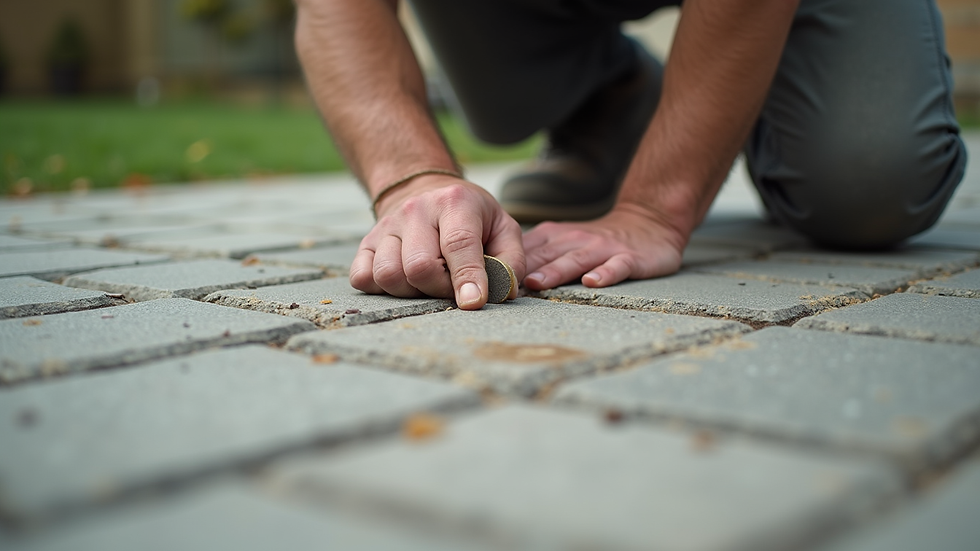
For natural stone paving, precision in laying is crucial. Stones must be carefully selected for size and thickness to ensure a level surface and consistent appearance. Jointing materials, such as sand or resin, play a vital role in stabilising the stones and preventing weed growth. I recommend using permeable jointing where possible to enhance drainage and reduce water pooling.
When working with concrete, the sub-base preparation is equally important. A well-compacted base prevents cracking and uneven settling. Techniques like stamping or engraving can add texture and pattern, transforming a simple slab into a design feature. Sealing concrete surfaces not only protects against stains but also enhances colour vibrancy.
Incorporating edging materials, such as metal or stone kerbs, helps define paved areas and prevents displacement. These details, though subtle, contribute significantly to the overall finish and durability.
Designing with Paving in Mind
Paving is not merely functional - it is a design element that guides movement and frames views. When planning a landscape, I consider how paving interacts with other components such as planting, lighting, and water features.
Patterns and layouts can influence the perception of space. For example, diagonal or herringbone patterns create dynamic visual interest and can make small areas feel larger. Contrasting colours and textures highlight specific zones, such as seating areas or entrances.
Accessibility is another key consideration. Smooth, even surfaces with gentle slopes ensure ease of movement for all users. Incorporating tactile paving can assist visually impaired individuals, enhancing safety and inclusivity.
Sustainability also informs design choices. Permeable paving options allow rainwater to filter through, reducing runoff and supporting groundwater recharge. Integrating paving with green infrastructure, like rain gardens or swales, creates a harmonious balance between built and natural environments.
Practical Recommendations for Long-Lasting Paving
Achieving a lasting paved surface requires attention to detail from start to finish. Here are some practical tips I find invaluable:
Site Assessment - Understand soil conditions, drainage patterns, and exposure to elements before selecting materials.
Material Selection - Choose stones or concrete mixes suited to the climate and intended use.
Professional Installation - Engage skilled installers who follow best practices for base preparation and laying.
Maintenance Planning - Establish a routine for cleaning, sealing, and repairing to preserve appearance and function.
Sustainability Focus - Opt for locally sourced materials and permeable solutions to reduce environmental impact.
By following these guidelines, paved areas can remain beautiful and functional for decades, enhancing the overall landscape experience.
Embracing the Full Spectrum of Paving Options
In my experience, the best landscapes are those that embrace diversity in paving solutions - combining materials and techniques to suit different zones and purposes. From rustic flagstones that evoke countryside charm to sleek concrete slabs that complement modern architecture, the possibilities are vast.
For those seeking inspiration or guidance, exploring all paving solutions available can open doors to innovative ideas and premium materials. This approach ensures that every project benefits from the highest quality British and European natural stone, meeting the growing demand for sustainable and elegant paving.
Ultimately, paving is more than a surface - it is a foundation for outdoor living, a stage for nature’s beauty, and a testament to thoughtful design.
Crafting Timeless Outdoor Spaces
The journey of creating a paved landscape is one of patience and precision. It requires a steady hand, a clear vision, and respect for the materials that shape the environment. When done well, paving invites us to walk with intention, linger in comfort, and appreciate the subtle poetry of stone and space.
As I reflect on the myriad options and techniques, I am reminded that every paved path tells a story - of place, purpose, and enduring beauty. By choosing comprehensive paving solutions thoughtfully, we craft landscapes that resonate with both function and artistry, standing the test of time.