Creative Landscape Stone Design Ideas
- 6 days ago
- 5 min read
When I first began exploring the world of natural stone in outdoor spaces, I quickly realised how transformative these materials can be. Stone offers a timeless quality - a connection to the earth that no other material quite matches. It invites a sense of permanence and calm, while also providing endless opportunities for creativity. In this post, I want to share some of the most inspiring and practical stone design ideas that can elevate any landscape project. Whether you are crafting a serene garden path or a bold architectural feature, these concepts will help you harness the beauty and durability of natural stone.
Embracing Natural Textures and Colours in Stone Design Ideas
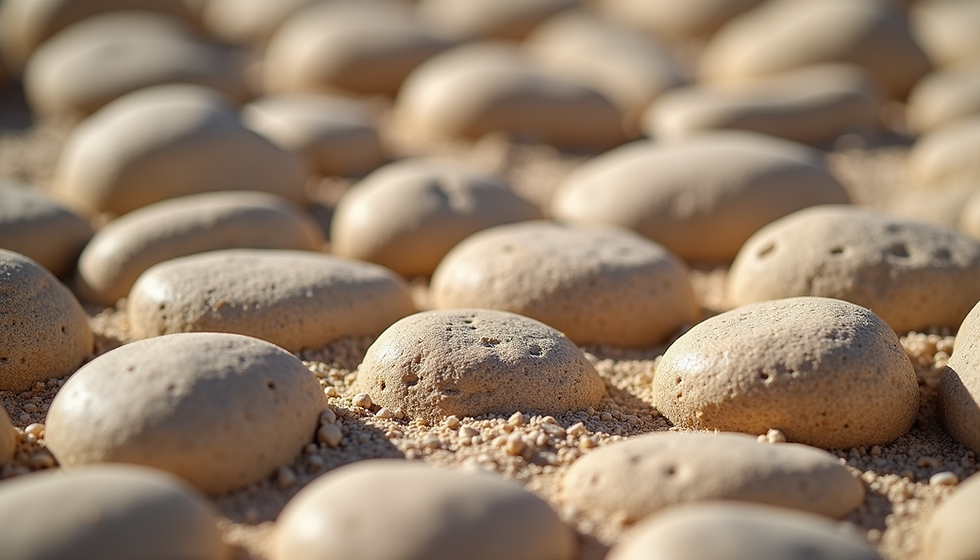
One of the most compelling aspects of working with natural stone is its inherent variety. Each piece carries unique textures, colours, and patterns that reflect its geological origins. When designing with stone, I find it essential to highlight these natural characteristics rather than mask them. For example, rough-hewn granite with its coarse grain and subtle flecks can create a striking contrast against smooth, polished limestone.
In practice, this means selecting stones that complement the surrounding environment. For a woodland garden, weathered sandstone with warm, earthy tones blends seamlessly with moss and ferns. In coastal settings, cool grey slate or blue limestone echoes the hues of the sea and sky. By carefully choosing stones that resonate with the landscape, you create a harmonious and authentic outdoor space.
To enhance texture, consider combining different finishes within the same project. A pathway might feature flat, honed stones for walking surfaces, bordered by rugged, irregular boulders that add visual interest and natural framing. This layering of textures invites touch and exploration, enriching the sensory experience of the garden.

Functional and Artistic Uses of Stone in Outdoor Spaces
Stone is not only beautiful but also incredibly versatile. It can serve both practical and decorative purposes, often simultaneously. When I design with stone, I think about how each element can fulfill multiple roles - from structural support to aesthetic enhancement.
For instance, retaining walls built from stacked natural stone provide essential soil stability on sloped sites. Yet, when carefully crafted, these walls become sculptural features that define garden rooms or terraces. Similarly, stone steps can guide visitors through a landscape while adding rhythm and form to the terrain.
Another creative approach is to use stone as a canvas for artistic expression. Carved stone benches, engraved stepping stones, or mosaic patterns made from varied stone pieces introduce personality and narrative into the garden. These elements invite pause and reflection, transforming the landscape into a living gallery.
Incorporating water features with stone also offers a dynamic interplay of materials. A stone-lined pond or a cascading waterfall over natural boulders brings movement and sound, enhancing the atmosphere. The contrast between solid stone and flowing water creates a balance that feels both grounded and alive.
Sustainable Stone Choices for Lasting Impact
Sustainability is a critical consideration in modern landscape design. Fortunately, natural stone aligns well with eco-conscious principles. It is a durable, low-maintenance material that ages gracefully without the need for chemical treatments or frequent replacement.
When sourcing stone, I prioritise local or regional quarries to reduce transportation emissions and support the local economy. British and European stones, for example, offer a rich palette of options that suit a variety of climates and styles. Choosing these materials ensures authenticity and helps maintain the character of the landscape.
Additionally, reclaimed stone is an excellent sustainable choice. Salvaged from old buildings or previous projects, it carries history and patina that new stone cannot replicate. Using reclaimed stone reduces waste and adds a unique story to the design.
To maximise sustainability, I also recommend designing with modular stone units that can be easily dismantled and reused. This approach allows for flexibility and adaptability in the landscape, extending the life cycle of the materials.
Integrating Stone with Plantings and Other Materials
Stone rarely stands alone in a landscape - it interacts with plants, wood, metal, and water to create a cohesive environment. Thoughtful integration of stone with other elements enhances both its beauty and function.
For example, planting low-growing groundcovers or moss between flagstones softens hard edges and adds colour contrast. Climbing vines on stone walls introduce vertical greenery that changes with the seasons. These combinations create a dialogue between the organic and the mineral.
Wooden pergolas or benches paired with stone paving or walls bring warmth and texture variety. Metal accents, such as wrought iron railings or lighting fixtures, complement the solidity of stone with delicate lines and finishes.
When planning these combinations, I pay close attention to scale and proportion. Large boulders work well with bold, architectural plants like ornamental grasses or shrubs. Smaller stones suit intimate garden corners with delicate flowers or herbs.
This interplay of materials and plantings invites a layered experience - one that evolves over time and invites discovery.
Practical Tips for Working with Stone in Landscape Projects
Drawing from years of experience, I want to share some practical advice for anyone incorporating stone into their outdoor designs:
Plan for drainage - Stone surfaces can be impermeable, so ensure proper drainage to avoid water pooling or erosion.
Consider stone size and shape - Match the stone dimensions to the scale of the space and intended use. Large slabs suit open patios, while smaller cobbles work well for pathways.
Use appropriate installation techniques - Proper bedding and jointing materials are essential for stability and longevity.
Think about maintenance - Natural stone requires minimal upkeep but may benefit from occasional cleaning or sealing depending on the type.
Mix stone types thoughtfully - Avoid overcomplicating the palette; two or three complementary stones usually suffice.
Incorporate lighting - Uplighting stone features or path lights enhances safety and highlights textures after dark.
By following these guidelines, you can ensure your stone elements remain beautiful and functional for years to come.
Inspiring Your Next Project with Stone
Stone has a quiet power - it anchors a design, tells a story, and connects us to the natural world. Whether you are creating a tranquil retreat or a bold statement, these creative landscape stone design ideas offer a foundation for innovation and elegance.
For those seeking inspiration and quality materials, exploring a curated selection of natural stones can open new possibilities. I encourage you to consider how stone can shape your outdoor spaces with authenticity and grace.
If you want to explore more about landscape stone design ideas, this resource offers a wealth of examples and expert advice tailored to contemporary projects.
May your next landscape be a testament to the enduring beauty of stone - crafted with care, designed with vision, and built to last.